
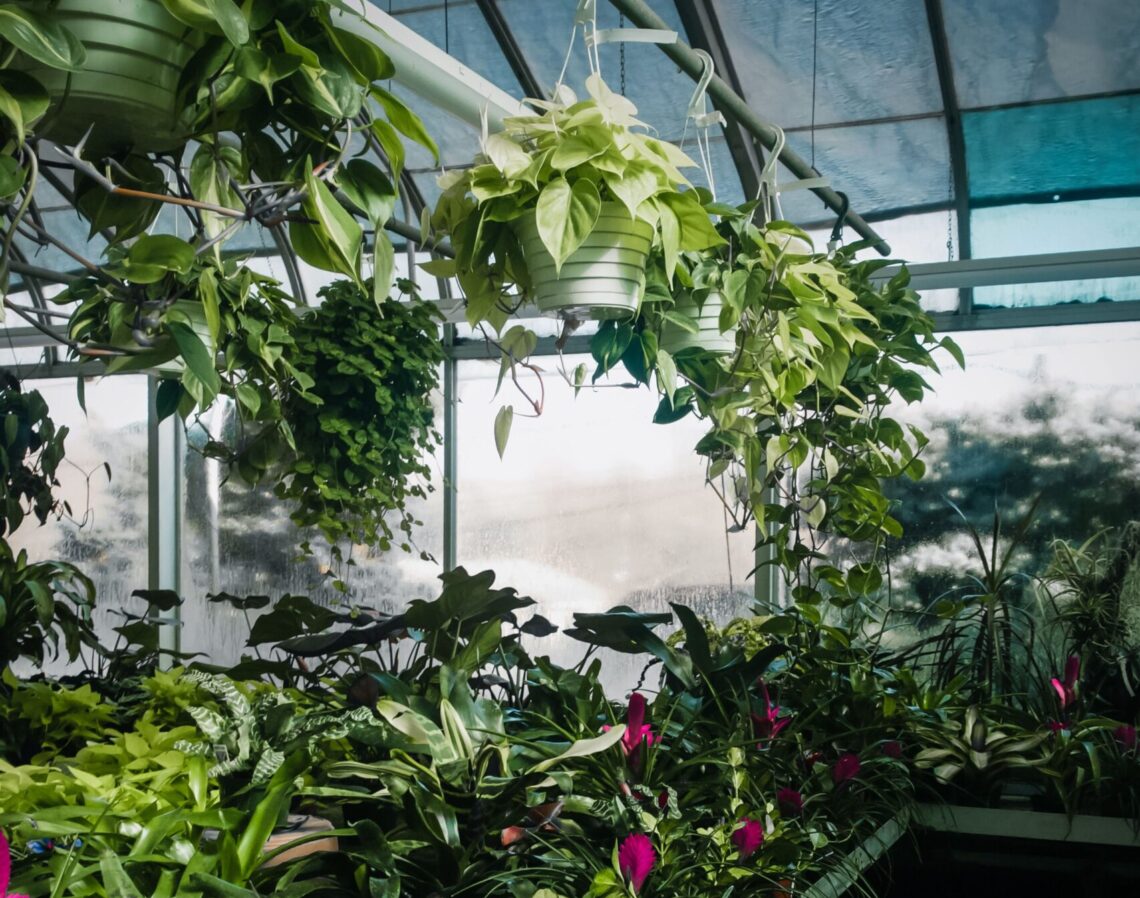
Sustainable Houseplant Shopping and How to Avoid the Hype
Have you noticed how everything these days is presented in smaller packaging? The quality and quantity of products has gone down, and the prices have gone up. It keeps profit margins high, and leaves us asking why. This trend is also happening in the houseplant world.
Contents
I am going share with you some plants that are just a consumer psychological operation to get you to purchase, but will disappoint you in the long term.
Sustainable Houseplant Shopping
When you practice a slow, simple lifestyle, bringing nature into your home is an important, sustainable practice. For those of us who live in the Northern Hemisphere, it is particularly important to bring nature indoors to help us through the winter blues.
During the long winter months, tropical plants are resplendent in big box stores. Holidays are particularly colourful, with plants like poinsettias and Christmas cactus lighting up the stores. The plants are healthy and strong, having been given the best conditions and food for their optimum display.
Benefits of Sustainable Houseplant Shopping
Producers have their job to do and they do it well. The houseplant partner community also looks out for each other. I am going to start with a list of plants that are there to draw you in. That is not to say don’t get them if you really want to, need to, and can afford to.
For the consumer, knowledge is strength and will save you money and disappointment in the long run. Shopping for plants with a knowledge of their true nature, allows you to curate your collection rather than consume everything offered. You can do your research, engage in critical thinking, and buy with discernment.
Top Unsustainable Plants in the Northern Hemisphere
The plants mentioned are innocent, and so are you. Too many people are led to believe that they kill plants, but it may not be you. As long as you know that some plants are novelty items and will never survive long term in your house, no matter what you do, you will be okay.
Let’s start with:
Crotons
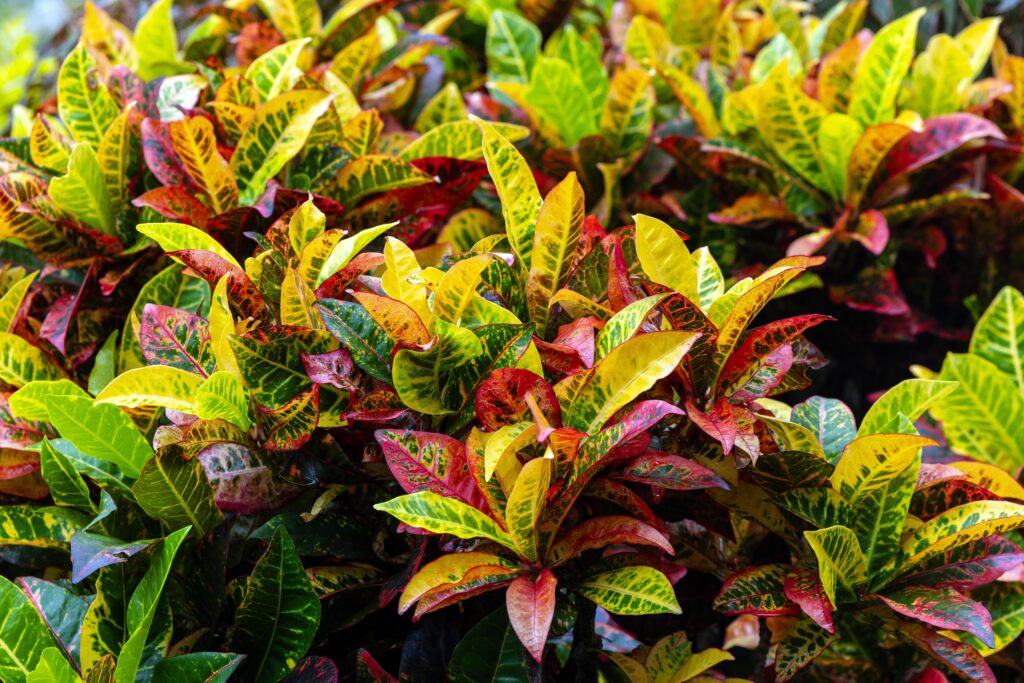
The vibrant colourful leaf of this plant always draws people in. It is pretty and I was amazed when I first saw its real life as a hedge plant in Jamaica. In warmer climates, crotons are the go to plant for gardeners who want a defining colourful hedge. In big box stores you get a spindly stem with a few leaves, I have even seen a single leaf stuck in a pot for sale.
To imagine how long it can last in your house, it would be the equivalent of a cedar branch sold as a houseplant in a tropical climate.
Flowering Bromeliad
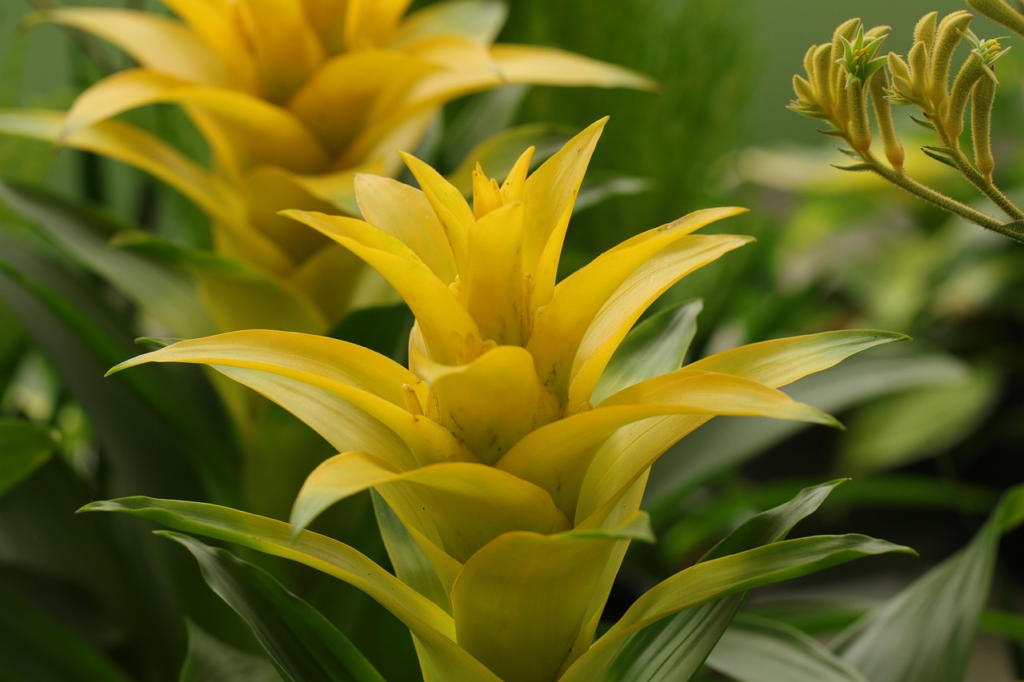
Not much to say here. Once it flowers it dies. That is it. End of story. When you see it, you think you are the one that will resurrect the flower. You will ask yourself why it will not bloom again for you. I will say again, this is a single bloom flower plant that blooms once in the plant’s lifetime. Sad but true.
The only time you might get lucky is if you buy a plant with young pups emerging, which is a rare find. These pups will form new plants as the mother plant dies. You can try.
Poinsettias
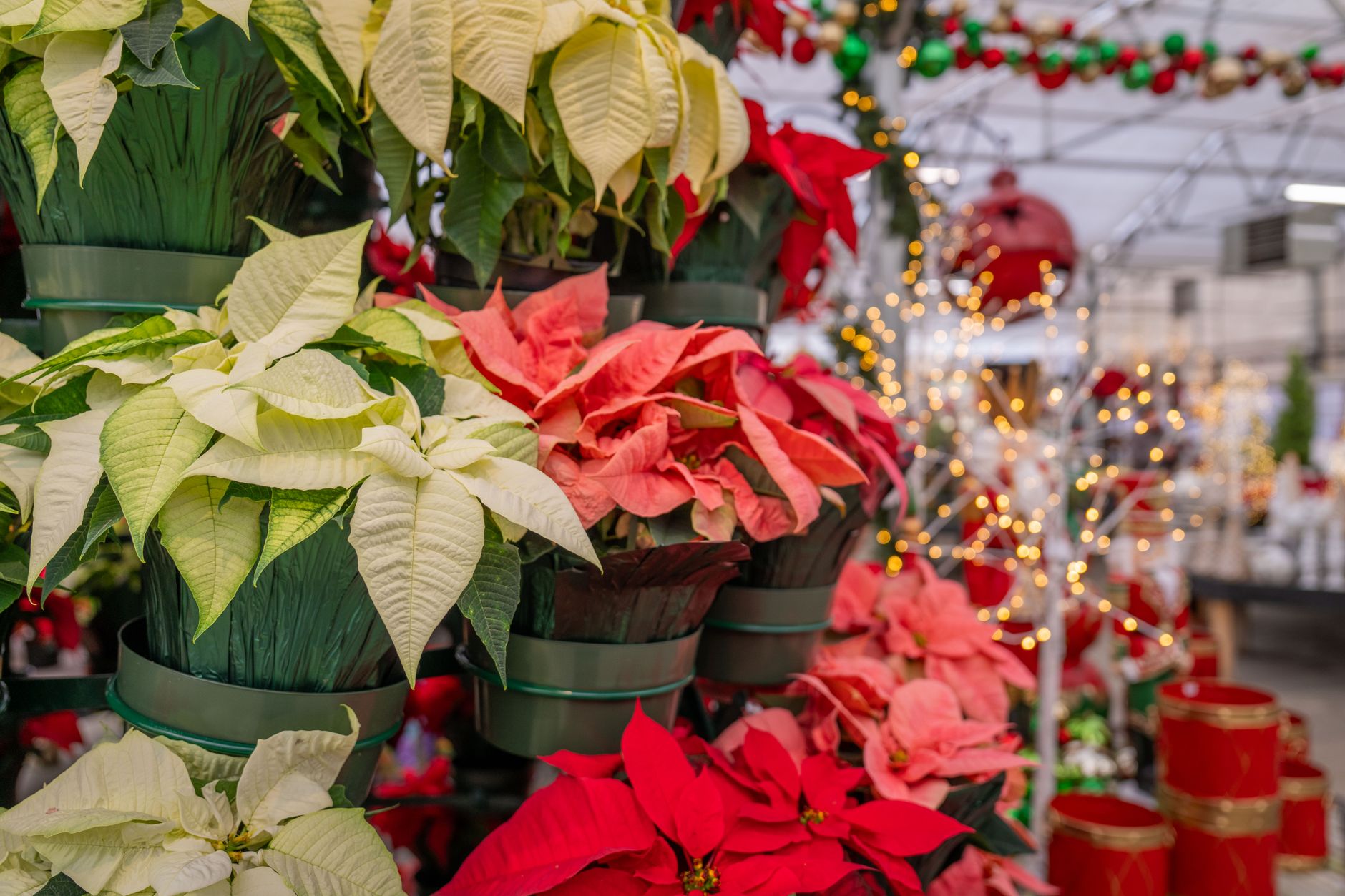
These are seasonal, and I am not sure if there s anyone left who believes they can restore the colour to the leaves once they turn green and the glitter has washed away. I don’t know who thinks it is a good idea to put glitter on these plants in the store.
The poinsettia screams festive and really sets the mood at Christmas, so as long as you know it will be for a short time unless you move to a country where it will thrive naturally, then go ahead.
Tradescantia

I think people are starting to catch on to this one. It still has a presence in the stores, but the interest seems to have declined. It is vibrant in its many colours, and vigorous in its growth. The problem is that it is really a ground cover. It is trailing over the pot because it is looking for a surface to cover. It wants to creep along the bottom, not hang down from the top.
A plant can only grow against its nature for so long before it gives up. I have posted about this plant and how easy it is to propagate. That is because it is a fighter, and classified as invasive in many areas. So don’t throw in the woods.
Coleus
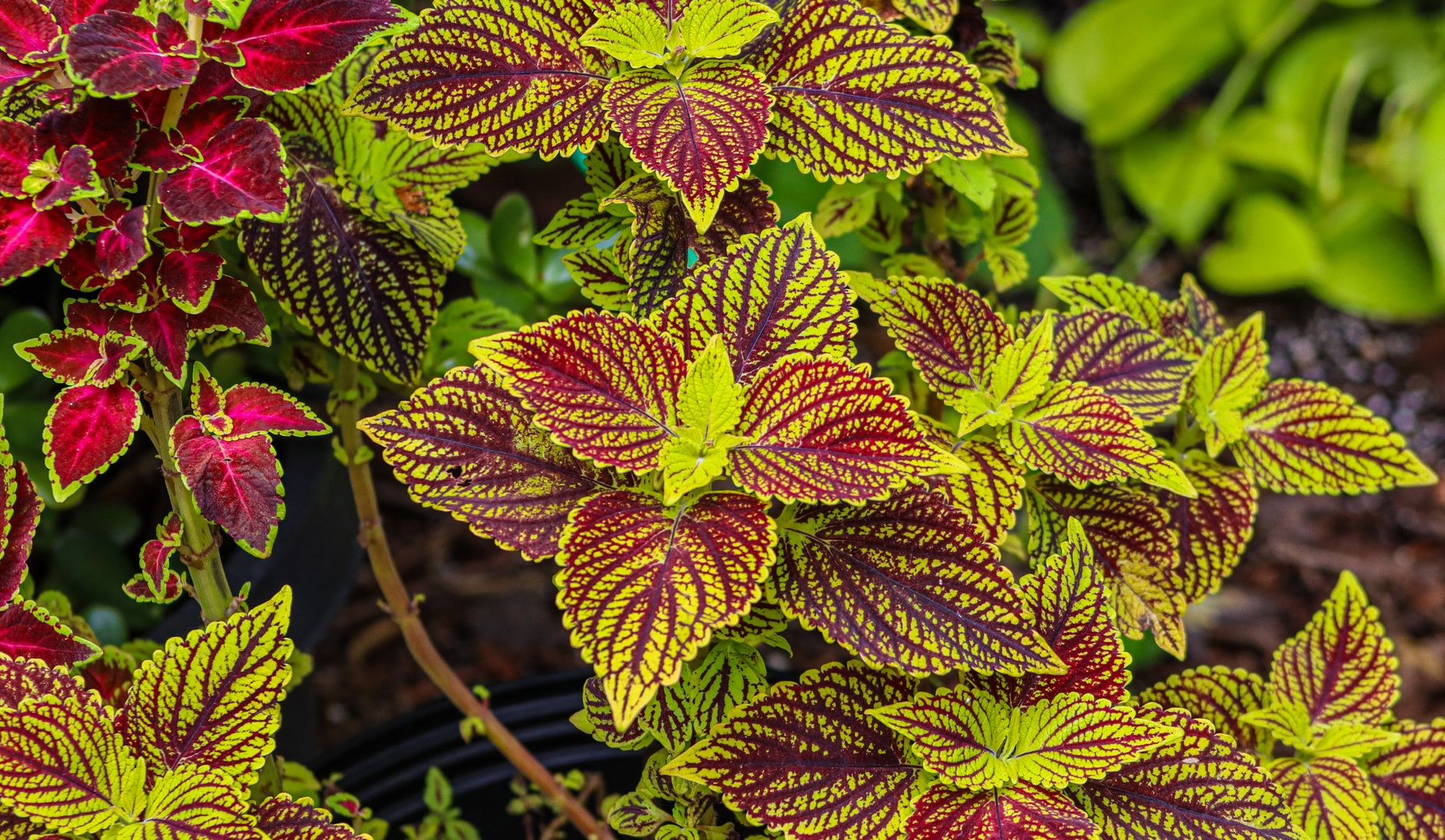
I have tried a few times with this one. There was just something about the leaves that drew me in. The colours are amazing, it is like having your own piece of autumn. The delicate soft textured leaves should have been a clue to its house hardiness.
This is definitely an outdoor plant. It is spider mite candy, and the last thing you need is an infestation spreading to the plants that actually like living your house.
Keri Hoya
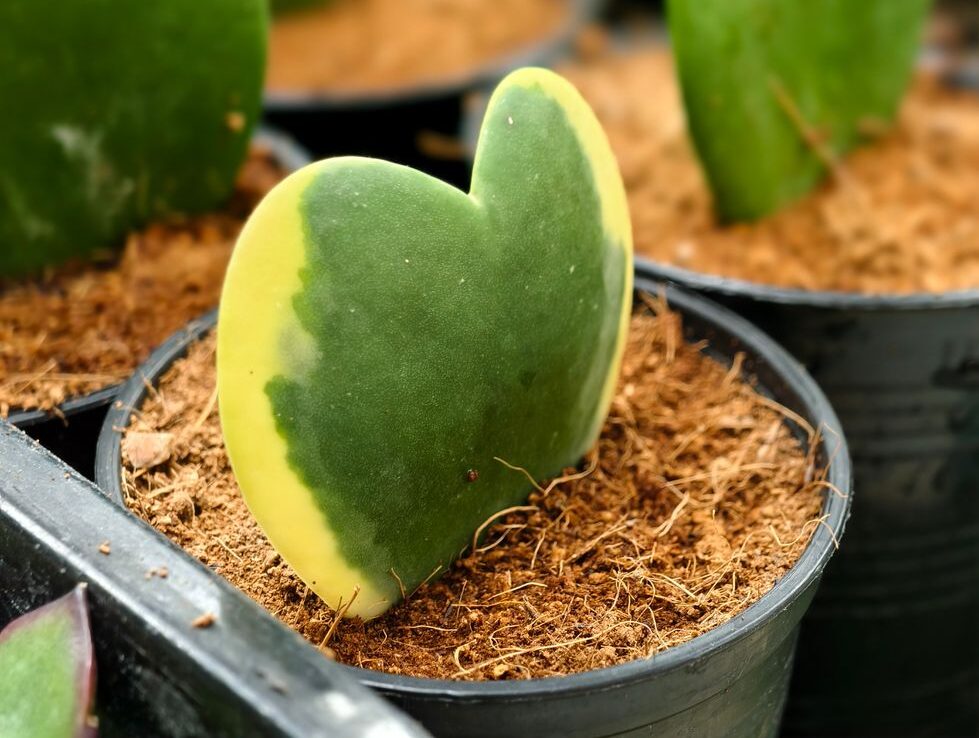
This heart shaped Keri Hoya is marketed for romance. That single heart all alone in a little pot is so cute and just thing for Valentine’s Day. In fact, they pop up everywhere in stores around the time cupid’s arrows are set to fly.
Your love may grow, but this leaf will not. The single leaf is doomed to be single forever. Without a node in its heart or a strong stem at its base, it is the end of the line. A great novelty plant, but what has love got to do with it? If you must have one, a whole plant will be better than the sum of its parts.
Final Thoughts
This is just an example of plants successfully marketed as houseplants which were never meant to be because it goes against their true nature. They may be among your favourites, and hopefully this post will answer some questions as to why they don’t last long in your house.
It will be up to you to decide whether they are worth your time and effort. Do you agree? If you know of other plants, feel free to share in the comments below. Sharing is caring.
