
5 Slow Living Practices From Around The World To Try Wherever You Live
Last updated on October 17th, 2026 at 06:22 pm
Contents
How to Enjoy a Friluftsliv Life (Norway)
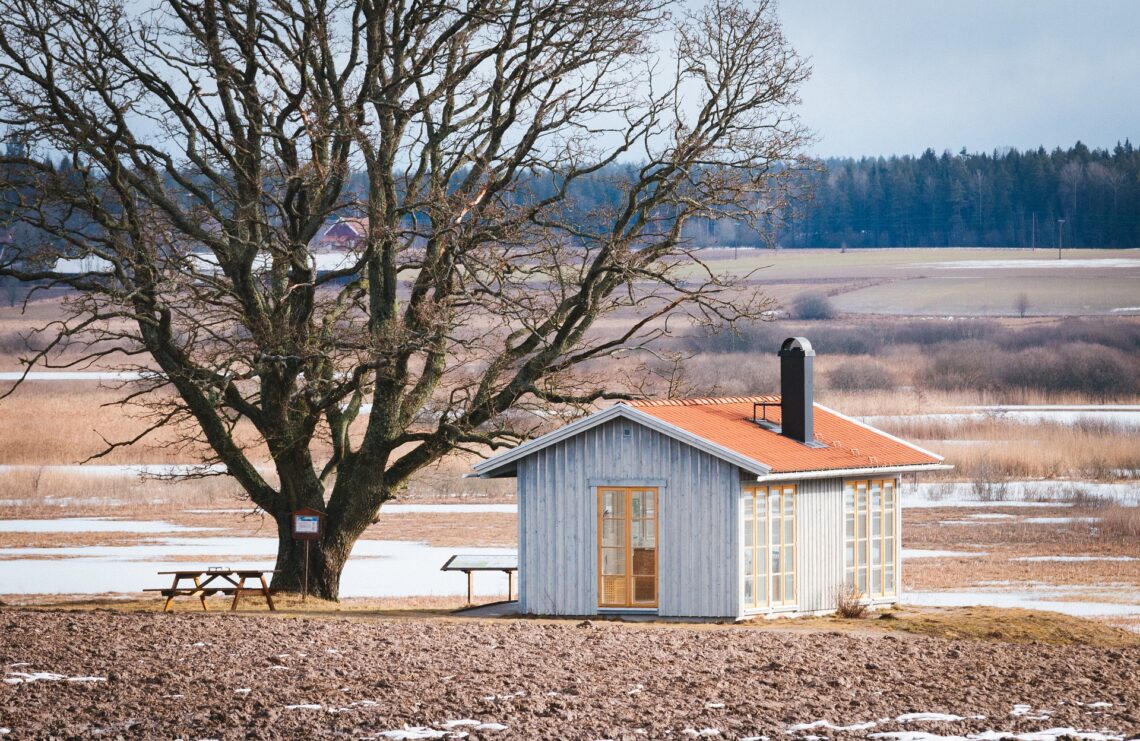
I always think Scandinavians understand the long winters as much as Canadians. The Norwegian cultural affinity to their environment is captured in the word “Friluftliv” which means “open air living”.
Wherever you live, frilufsliv is an ideal lifestyle. This is what people dream of doing on their holidays away from the city. With the price of gas, and travel in general, the frilufsliv experience is needed more than ever. I can share with you how I get my frilufsliv on, in autumn and winter seasons.
What does friluftsliv mean in this modern landscape? It has been translated as “free-air living”, a way to explore, enjoy and respect your environment. The Norwegian government has even implemented legislation which gives citizens the right to roam the wild spaces of the country. This is very similar to forest bathing in Japan, and shows how every culture embraces a way to slow down and connect with nature.
It was the Norwegian explorer Fridtjof Nansen’s 1916 book which inspired this positive lifestyle. From Norway, the ideology spread on a smaller scale to the Scandinavian countries of Sweden and Denmark.
The Norwegian playwright, Henrik Ibsen, first used the term in his epic poem, Pa Viderne (On the Heights), published in 1859. The poem’s protagonist is drawn to the open-air freedom of a hunter rather than the confines of farm life. This seems ironic today, as farming is seen as a nature-positive lifestyle.
Frilufsliv is promoted in the Norwegian and Swedish lifestyle from an early age. Children are encouraged to experience the outdoors in all its seasons, rain or shine.
Canada shares this love of the outdoors with Norway. In Canada, Labour Day (the first Monday in September) is the time when summer transitions to the next season. Schools and universities resume normal schedules.
Parks and recreational crowds start to thin out. They were particularly crowded this year as the government offered free entry to national parks, however this did not include parking and camping fees. The cost to visit national parks was gradually becoming prohibitive.
This time of year is the best to enjoy friluftsliv by visiting outdoor spaces. I have previously noted the advantages of off season adventures here.
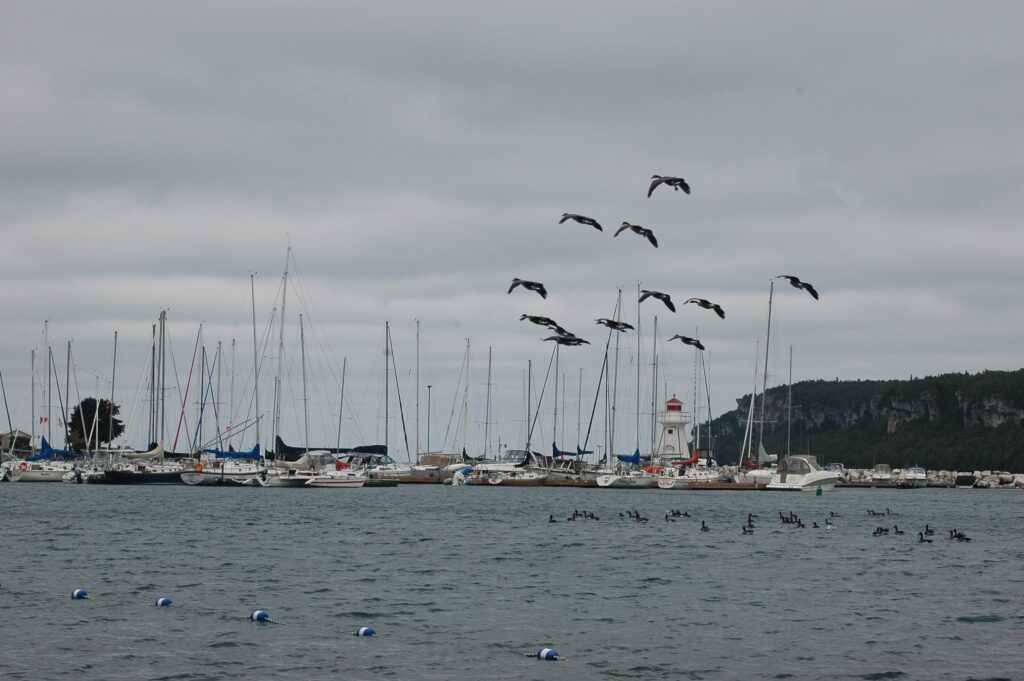
If you have been following me, you will know that water, especially lakes, are a nature go to for me. It is the place where I enjoy friluftsliv. Life around the marina is vibrant in the summer, and visitors are living their friluftsliv dreams on the water. The names on their boats are a testament to their aspirations.
The Gratitude in Itdakimasu (Japan)
This is an exercise in gratitude. A Japanese friend introduced me to Itadakimasu. She would say this before meals, and I thought it was a one word grace before meals, a kind of “Amen”, but I came to understand that it is much more than that. The word translates to “to humbly receive.”
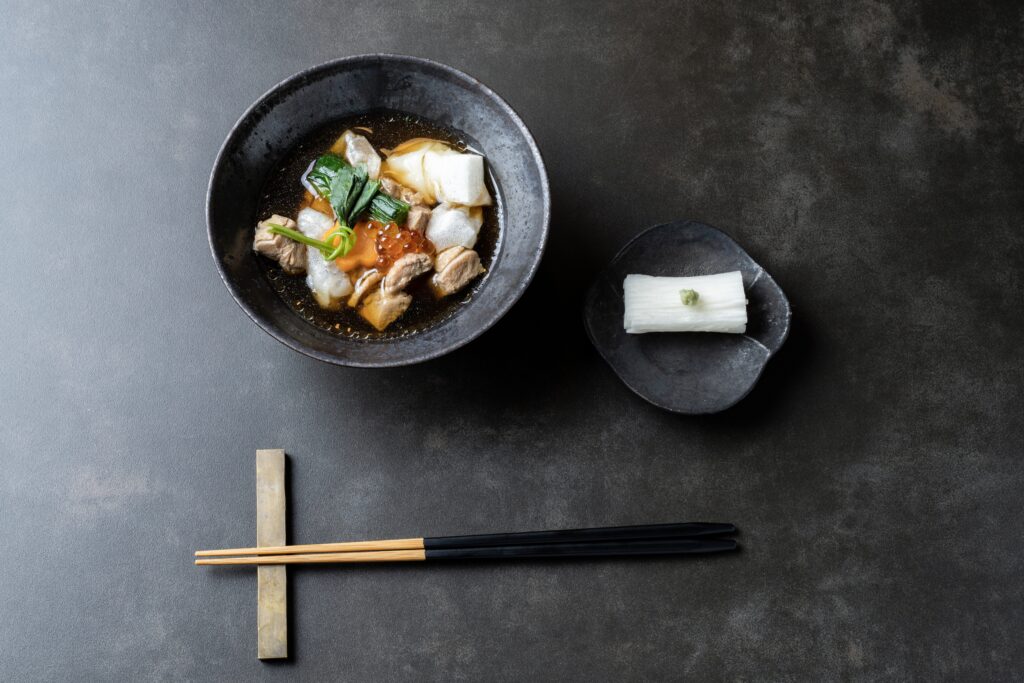
It shows gratitude and respect for everything that went into the food you are about to eat. The word has roots in Shinto and Buddhist beliefs, which hold that everything has a life force or spirit. Itadakimasu is the vocal show of gratitude for the sacrifice of the spirit of what you are about to consume, and every person who helped to produce and prepare the food.
The act of taking the time to say Itadakimasu shows that even in a fast paced, highly technological society, there is still time to slow down before the first bite of food and acknowledge its origins.
The Happiness of Hygge (Denmark)
The Danes often get kudos for being the happiest people in our times. Behind the secret of their success is the concept of “”Hygge.” Those of us who live in places where the nights are long and the winters freezing understand.
Home fires, family, friends and comfort are core principles of Hygge. Is this what makes the Danes happy? It is about being comfortable, and spending quality time with each other. The simple pleasures, are valued, like drinking hot chocolate by the fire, with candles flickering in the background. It is especially important in the winter months, where giving and receiving brings a balance to life.

When I drop the several layers of winter protection by the door in winter, the mood changes. Goodbye hat, boots, gloves, snow pants I am ready for hygge. Like a bedouin reaching an oasis, the warmth of the home hearth is comforting.
Hygge is about treating yourself to something which makes you happy and comfortable. Whatever is happening in your life you make authentic connections, and surround yourself with joy.
Lying Flat/ Tang Ping (China)
This is a recent phenomenon in China. It is a response to the rapid development and modernisation of China. It is said to have emerged from an online post which was a catalyst for the country’s young people to slow down.
Those who follow the Tang ping are rejecting what is known as 996 in China. This is working from nine in the morning to nine in the evening, six days per week. This is a gruelling schedule and Lying Flat/Tang ping is a rejection of the fast pace and pressure to live up to the financial and material expectations of society.
The passive resistance to the expectations of work, wealth and economic pressures is a minimalist lifestyle that is not welcomed by the government and is seen as a foreign influence.
The Siesta Recharge (Hot Countries)
Although the siesta is usually associated with Spain, it is has virtually disappeared in modern times. With abandoned villages and young people vying for employment, the siesta is no longer feasible in the urban centres of the country.
So where can we find the siesta? Siesta is a natural and practical response to the excessive heat in certain countries. I personally experienced this in Taiwan and Zanzibar.
Years ago, I walked into a bank in Taiwan around midday, and everyone had their heads on their desks. They seemed surprised to have someone come in at that time and kindly explained the custom to me. Locals would know not to go into a business at this time. I am not sure if this is still a thing, but it made sense in the heat.
In Zanzibar, I walked through a small fishing village at the height of the noon day sun on a mission to visit the local fabric shop. I walked past many people sitting quietly outside their homes.When I got to the store, the first thing they did was offer me some water.
In fact, news of my adventure had gotten back to the lodge where I was staying before I did. Everyone wondered what I was doing walking around at that time of day.
Usually after eating and the sun high with the temperatures soaring. It is the right to do. Although it may be losing favour when foreign companies set up offices in counties where it is practised. It does lead to better productivity after a natural recharge via a short nap.
Final Thoughts
There are many ways cultures adapt practices that mindfully slow them down when things start moving at an unsustainable pace. The ones given here are just the beginning of your own journey to find what works for you in your own environment. Follow your intuition, listen to your body, and let nature be your guide.
Share in the comments what works for you, and which of these practises resonate with you.

