
Facing the Bracing Winds in Owen Sound, Canada
Last updated on April 24th, 2026 at 06:29 am
The wind is harsh and the crispness of the cold makes the skin want to crack like the ice on the harbour waters below. The Owen Sound harbour, once the centre of commerce and the main hub of activity which created the city, is now the holder of memories from a bygone era. The sirens no longer call out to sailors who worked on the merchant ships from the depths of its waters.
Chi Cheemaun
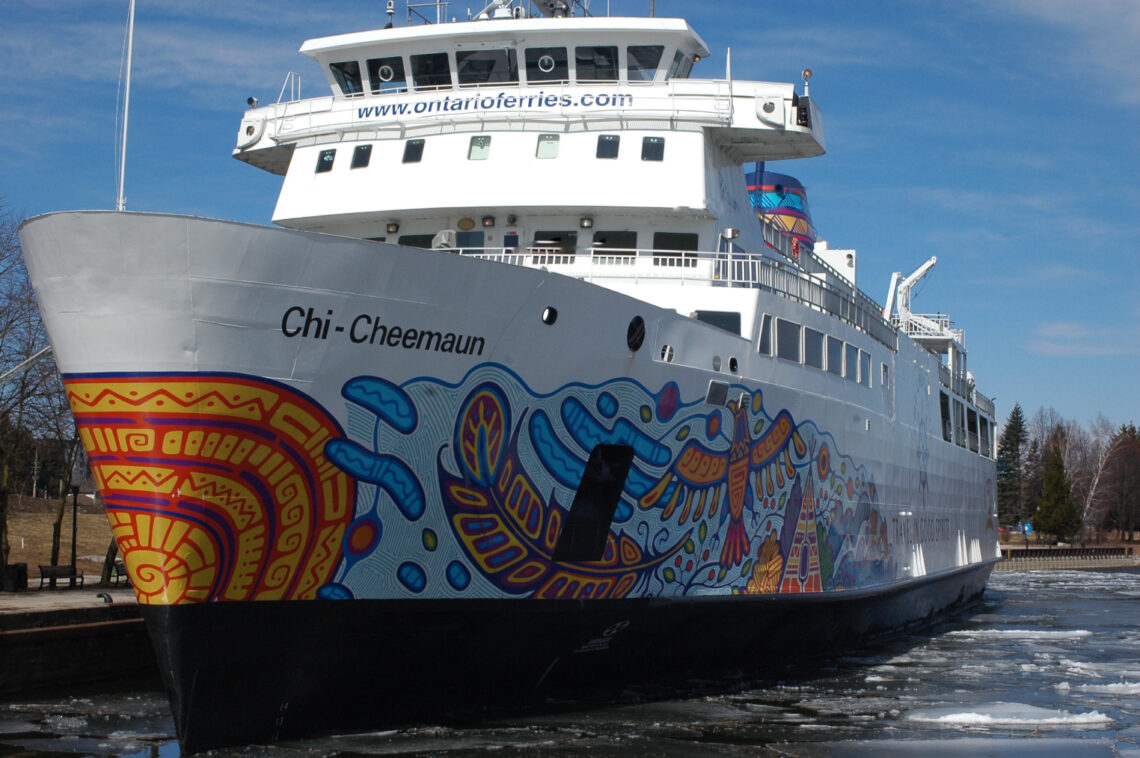
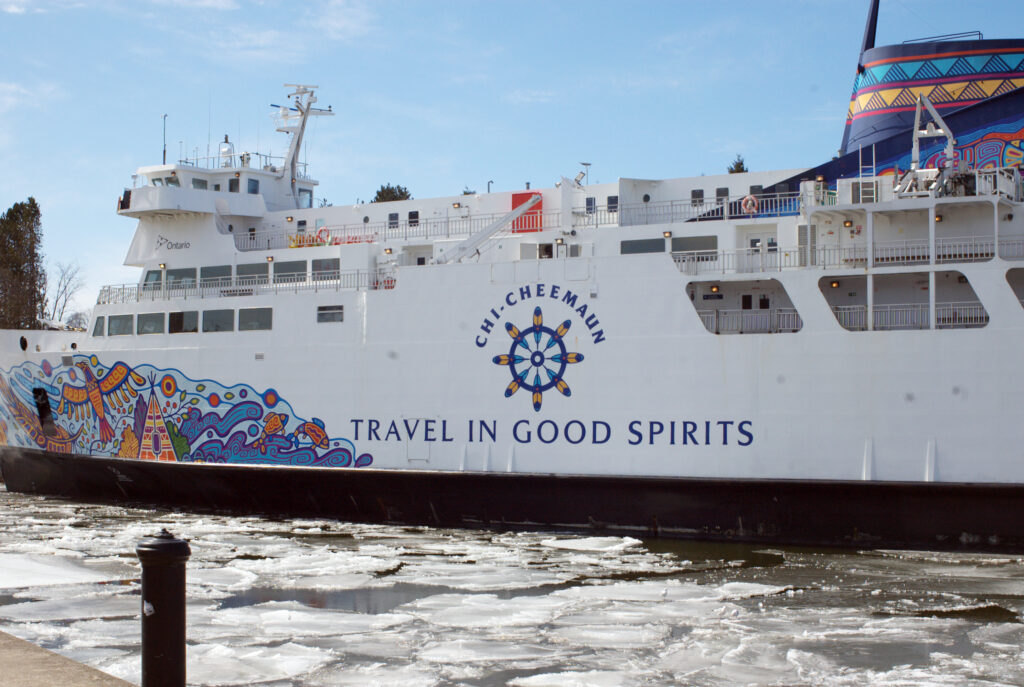
There is one boat, however, that will always find refuge here in the winter months. Berthed like an elegant Canada goose, the Chi Cheemaun, with its unique indigenous decorated hull, nests here until the spring when it will return to duty and traverse lake Huron daily from Tobermory to Manitoulin island.
The name of this passenger and car ferry is Ojibway (Anishinaabemowin) and means ‘Big Canoe’ in English. This name pays homage to the fact that this area is the traditional territory of the Saugeen Nation. Their canoes travelled these waters for hundreds of years before the Europeans arrived, and if you have ever stared into the clear depths of strong currents of Lake Huron, you will understand that feat was a true relationship with nature.
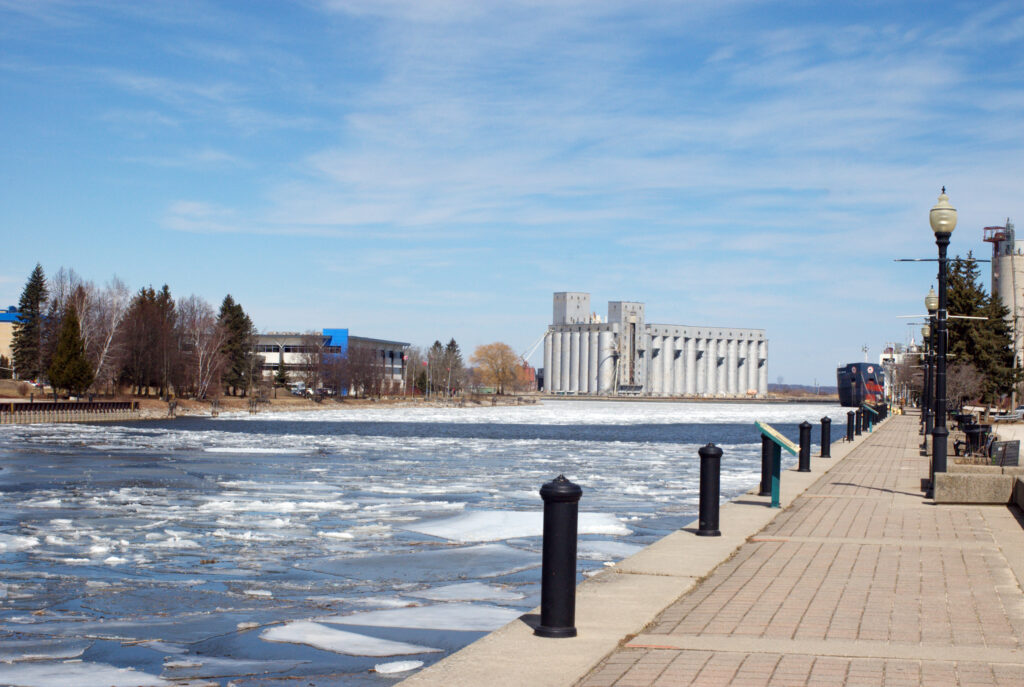
As I held my trusty old Nikon D70, (vintage) in my frozen hands, the beauty of the postcard scene was not lost on me. Owen sound harbour is long and deep, 22 feet (6.7056 meters). Iconic buildings stand guard as if waiting for their next incarnation in the changing world.
In the summer the waterfront is a relaxing place to take a rest from the downtown bustle on one of the promenade benches.
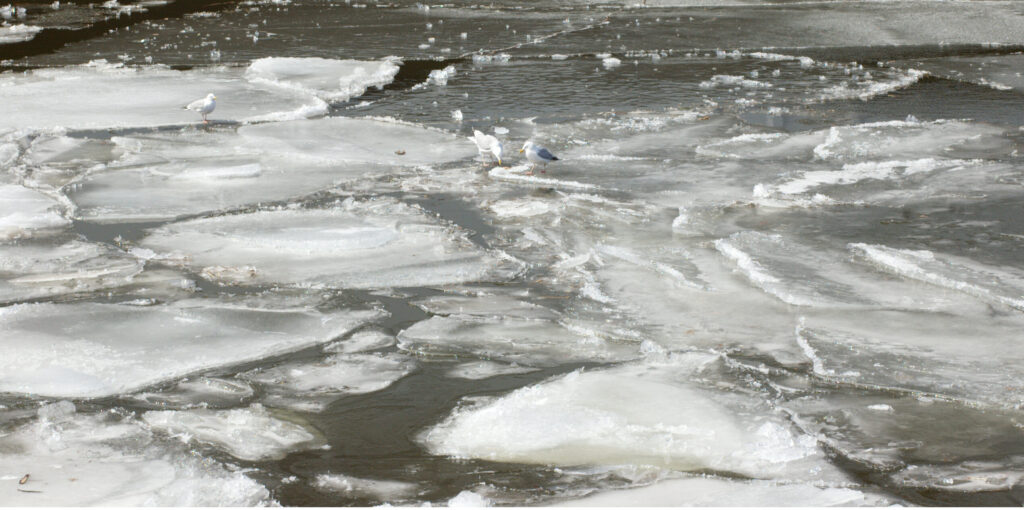
This harbour is a testament to the of the power of water. It was the source of the city, like concentric circles spreading from a drop of water. The old timers can sit on the wharf benches and remember that once upon a time there was bustling life here. Now the young leave for brighter prospects.
Harrison Park
A short drive from the harbour, across the midtown, is Harrison Park. The area surrounding the park has a very Victorian feel, with grand houses backing onto the Sydenham River. There is still free parking in the park which is a bonus these days. The lot opens up to different walking paths.
The first area you encounter along the gushing river path is the bird enclosure. Here, you will find mallard ducks, mute swans, Canada geese, and other birds.
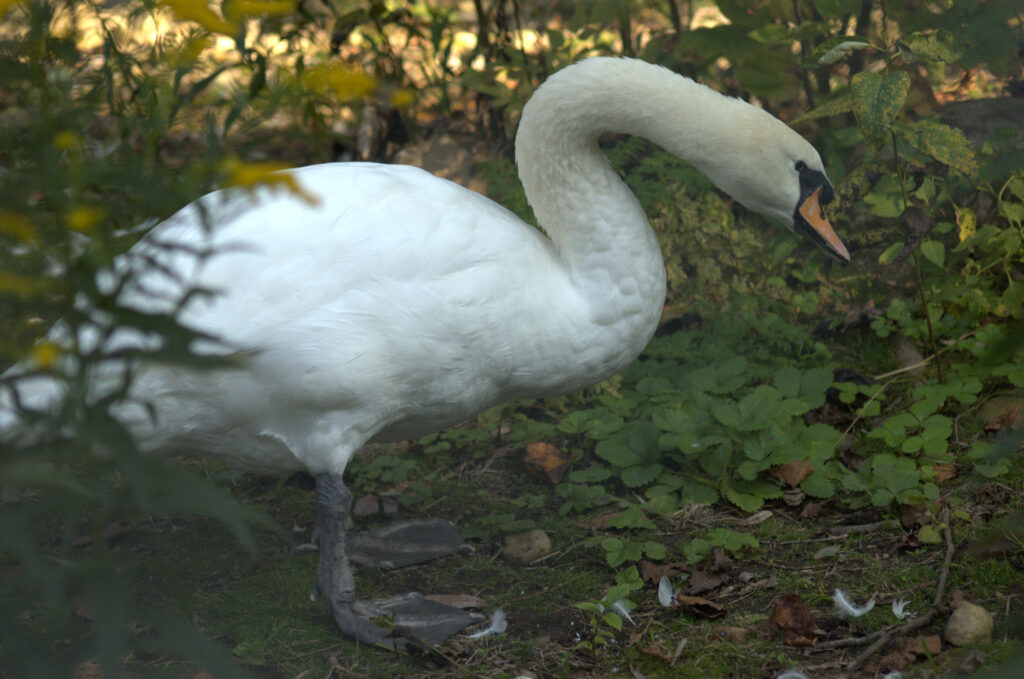
The swans remain elegant as always. I am not sure if they still tell the Hans Christian Anderson story of the Ugly Duckling in schools these days. The idea of being perceived as ugly, then it taking time for others to appreciate and see the beauty that was always there, is a powerful lesson.
Not to be left out are the mallard ducks. The males, being the more colourful of the species are on full display. Beloved birds of parks and ponds, swans and mallards both share that special quality of bonding with their mates for life. In nature, together forever for these birds is a reality.
One path leads to The Emancipation Cairn, a monument erected to recognise the contributions of the Black community to the city. As one of the last stops on the underground railroad, through which many escaped enslavement, the Owen Sound Black community formed a strong bond. They overcame many challenges and prejudice to work, build churches, start businesses and raise families.
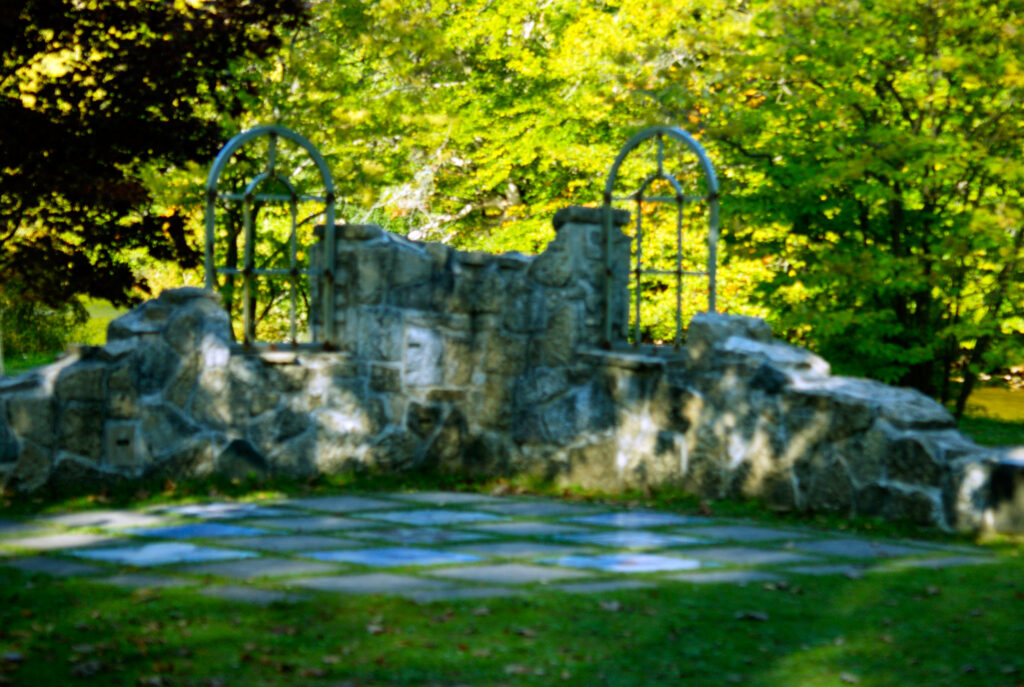
The Emancipation Day picnic is still celebrated annually in the park, where descendents join together with the many summer guests to the city to share their history.
With so many interesting nooks and crannies filled with interesting natural features, Harrison Park is a prize for nature photographers. It is a place to slow down and breathe in the forest air while listening to the gushing river, as it brings your energy into balance with nature.

