
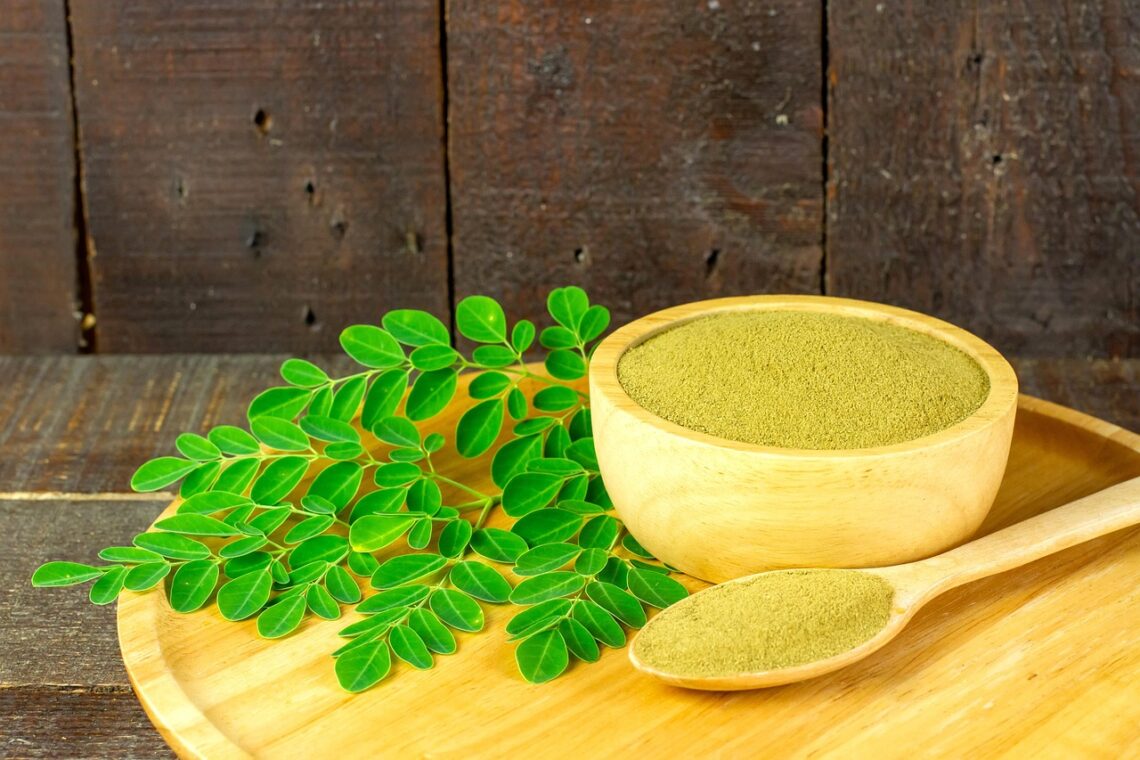
Moringa: The Many Benefits of this Superfood Tree and How to Grow It
The Western world is rediscovering the Moringa tree, known in many ancient cultures for numerous Benefits. Moringa (Moringa Oleifera), also known as the Tree of Life, Sigru in Sanskrit, Drumstick tree, and so many other names depending on location.
Table of Contents
Scholars debate whether the wood of this tree is the one used by Moses in the Bible to purify the waters of Marah, Exodus 15: 22-26 as this tree grew in the Sinai Peninsular and has the amazing ability to purify water, which is not a known ability of any other tree in the area.
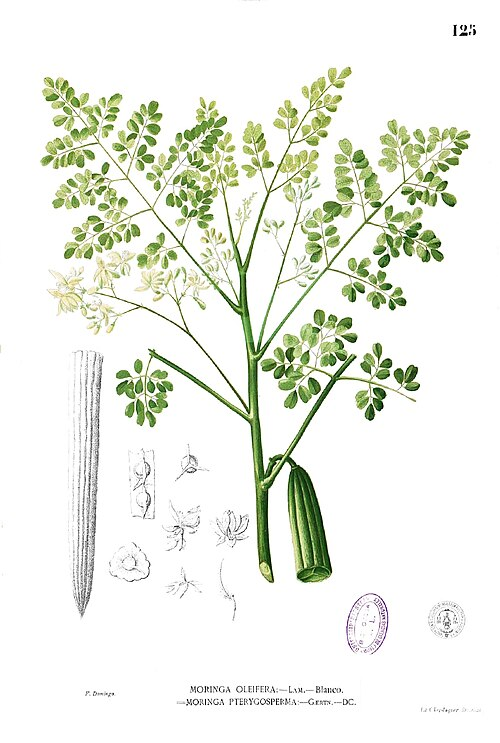
Source: Flora de Filipinas […] Gran edicion […] [Atlas I].[1]
Author: Francisco Manuel Blanco (O.S.A.)
The tree is linked to the Egyptian ceremonies and cosmetic preparations, in addition, to purification rituals of the ancient Hebrews. Moringa expert, D.P. Maharshi, believes that the references to seeds in the biblical parables may be references to moringa seeds and not mustard.
From its natal country of India, moringa travelled to Africa, and from there the Americas, moringa has journeyed far and wide to be of service as a plant helper.


Benefits
With deep roots in Chinese and Ayurvedic medicine, the moringa plant has over 300 uses in traditional healing. In developing countries, where resources and options are limited, moringa has been a tried and true method for various human conditions, and for damaged ecosystems.
“Moringa shows great promise as a tool to help overcome of the most severe problems in the developing world: malnutrition, deforestation, impure water and poverty. The tree does best in the dry regions where these issues are prevalent.
Andrew Young, former Atlanta Mayor and United Nations Ambassador
Western science is catching up with the many benefits, and the moringa tree is being hailed as a superfood.
In terms of health and wellbeing, it has traditionally been used due to the following benefits:
- Contains all the amino acids
- Antioxidant
- Anti-inflammatory
- Iron
- Potassium
- Calcium
- Magnesium
- B1 (Thiamine), B2 (Riboflavin), B3 (Niacin)
- The oil does not go rancid
Not only does it only contain all of the above, the levels of these components are extremely high.
Precautions
It goes without saying that one should consult with your healthcare professional before using any traditional herbs, especially if you are taking any medications, are pregnant, or have any pre-existing medical conditions.
Super Nutrient Food Source
The green leaves are eaten like spinach, often cooked in soup, stews, and salads in West African countries, where it adds texture. It can be combined with most snacks. It is known as “Africa’s green gold” where, according to studies conducted, it has shown potential for agriculture.
The roots are used like horseradish. In India, moringa is used in curries, pickles, and seasoning. Try some recipes for yourself here.
The Powder
One of the most popular ways to use moringa is in powder form mixed in drinks and supplements. The powder holds its nutrient potential for up to 2 yrs. The nutty flavour boosts boring milk shakes.
Be sure to check the sources of any powder you purchase, as the processing and date of the processing are important are important to the potency.
Cosmetics
When moringa oil, which extracted from the seeds, is used on the skin it provides all the required nutrients needed and acts as a moisturiser to replenish the skin. The cold pressed oil retains its benefits through the production process, while the refined holds a longer shelf life.
Role in Agroforestry
The tree of life really does restore ecosystems which are ravaged. It is drought tolerant and grows quickly. It restores nutrients to the soil and helps it to hold water. It is an effective damage control plant in a changing climate.
The roots of the moringa tree go deep into the earth and halt soil erosion. Because it requires minimal water, it is the perfect crop for drought stricken areas, and can provide a nutrient rich food for populations in those areas. Even the dead leaves enrich the soil.
Grow a Moringa Tree
If you are lucky enough to live in the climate suitable for the myringa tree: zone 10-11+ it is possible to grow the moringa tree in containers as long as it is protected from frost.
Seeds
If you are lucky enough to have seeds and the right climate, you are good to go. There are two kinds of seeds: dwarf and regular. Seeds can be planted outside in the ground or in containers. You may be able to find seeds in health food stores in your area.
Germination
There are two basic methods to germinate moringa seeds: Paper towel method and direct to seed tray.
Take the seeds and soak in water for a couple of hours. Prepare your seed trays with an all-purpose mix, pop about 3 seeds into each section. Provide light and warmth, and in a few weeks to a month you will have beautiful sprouts.
With the paper towel method, you are also required to soak the seeds for a couple of hours. Wrap the soaked seeds into a damp paper towel and place in a glass jar, and put the jar in a warm place. The germination usually takes place within a couple of weeks. Then take the sprouted seed and place in containers.
Moringa trees love the full sun and lots of heat. They need to be planted early in the season, and note the tap root goes deep into the ground, which makes it drought resistant, so if you do grow it in a container the root will need to be pruned.
In a cold climate, a container grown moring can be brought indoors before the first frost. You should cut it across halfway down the trunk, bring inside and allow to go dormant. It will come back in spring.
When planting in the ground, make sure to give it space to expand, because it is self pollinating and known to spread easily, you may want to contain the spread.
Final Thoughts
Moringa, has been used for centuries in many cultures, and provided many benefits to those populations. See if this plant is one you want to be part of your wellbeing journey.
Enjoy experience of the this amazing plant which provides so many benefits for our bodies. If possible, share the added value the moringa plant brings to the ecosystem by planting some trees.

