
How to Connect With Nature Even If You Live In a City
Living in a bustling city can be exciting, with its amenities, entertainment, and accessibility to most things. However, finding green spaces to take the edge of city living can be challenging.
Table of Contents
Benefits of Green Spaces in Cities
The importance of green spaces for wellbeing has been well documented by the scientific community. Dr. Qing Li, the authority on Forest Bathing, found through his research conducted during Japan’s transition from rural to urban living, that there were many physiological and psychological benefits of green spaces for city dwellers. He created forest bathing as formal way to interact with those spaces.
“You don’t need to exercise, you just need to open your senses to nature. It will improve your mood, reduce tension and anxiety, and help you focus and concentrate for the rest of the day.” – Dr. Qing Li -Shinrin Yoku: the Art and Science of Forest Bathing
In North America, biologist and naturalist, Edward O. Wilson, used the term Biophilia in the 1980s to describe “the urge to affiliate with other forms of life”. The word Biophilia comes from the Greek meaning an innate universal love for the natural world felt by humans.
The Biophilia hypotheses states that we have an innate connection to nature which is rooted in our biology. This concept was already accepted in many cultures and would seem obvious as everything in our bodies is also exists nature. To have what many cultures already knew confirmed by science is a bonus.
Roger Ulrich added to this research, noting the ability of nature to reduce stress in certain environments with his Stress Reduction Theory (SRT).
The science is nice to know, but it is better to experience the transformation that nature can bring in person.
Here are some ways to help you connect with nature in the city.
City Parks
Most cities have inherited historical parks, which are notably bigger than modern offerings. From grand venues like: Central Park, New York to Hyde Park, London, Mont Royal, Montreal, city parks used to be designated spaces for rest and recreation, to help ease the tension of urban life.
Find your favourite park, and within that park find the spot that feels good to you. The place where you feel grounded. This will be the place where you will come to distress and observe nature.
The water features of parks tend to be particularly relaxing, as the wildlife tends to hang out around the water. You will find all kinds of birds, like swans and mallard ducks, which seem to be universal occupants in park waters.


The modern day reality of some parks in major centres in North America reflects is the growth of homeless encampments, and security issues due to drug use in these spaces.
Every city will have particular nuances, for example, the last time I was in Miraflores, Lima, Peru, the parks were family havens, with families enjoying activities well into the night. Everyone must know their own area, and act accordingly.
Tropical Greenhouses, Arboretums, Conservatories
These buildings are easily identifiable by their domed roof and glass walls. Within these temperature controlled environments, you will find unusual offerings from the plant world. As a public indoor garden, it is a shared space to gain inspiration for your own horticultural ambitions. In my city experience, the arboretum across the street from the office was a welcome lunchtime oasis from the office baffle board maze.
Indoor Plants
Even if you live in the tiniest apartment you can still create your own Xanadu with indoor plants. Most offices allow a desk plant, or may even provide hanging plants. Plants look strong and healthy in the store because they have been primed and pumped to look their best. When you take one home be patient as the plant has to adjust to new conditions.
And when you get home from work, you want a beautiful plant waiting for you. One that is low maintenance and brings you joy.
There are a few plants I can recommend, but your individual choice depends on space, light and the amount of effort you want to put into plant care.


From the Left: Palm plant, Peperomia argyreia, Dieffenbachia, Peperomia obtusifolia marble
Balcony gardens, window boxes can be rewarding. You can grow beautiful flowers or aromatic culinary herbs on your window sill. As a visual display of your creativity, window boxes also add to curb appeal while giving a boost to the feel good chemicals in your brain.
Creative Nature Activities You Can Do In the City
A fun and creative way to discover nature in your environment is to embark on a Nature Hunt. For example, you can seek out the oldest tree in the neighbourhood and watch it through the seasons. Note which animals and birds visit that tree.
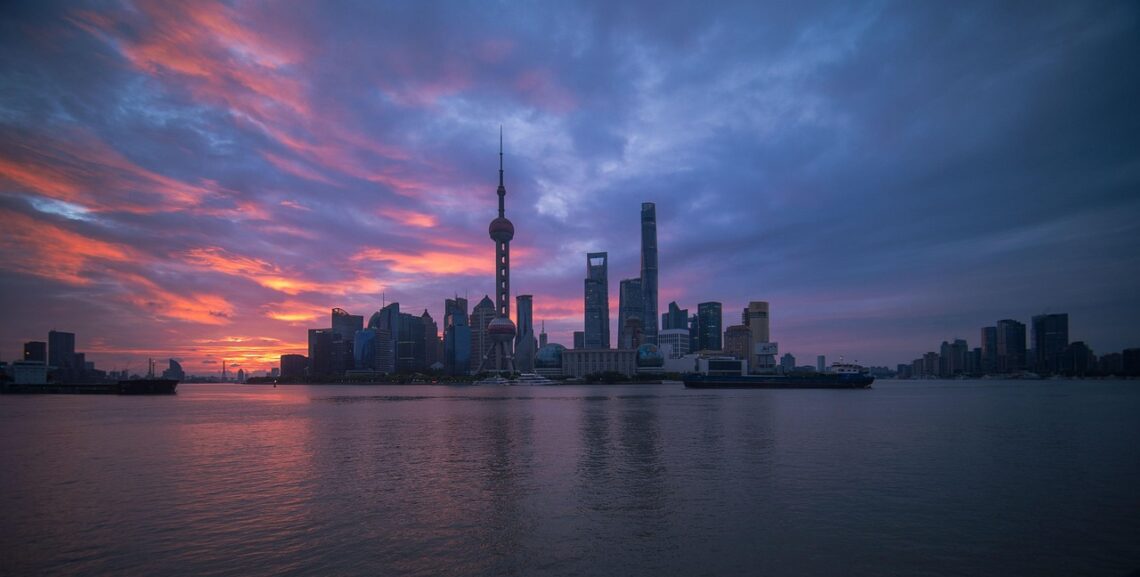
Take mindful walks on city trails, and green ways, paying attention to nature’s gifts. Catch the sunrise and sunsets on the cityscape. Notice how nature changes as time passes throughout the day.
Harbour fronts
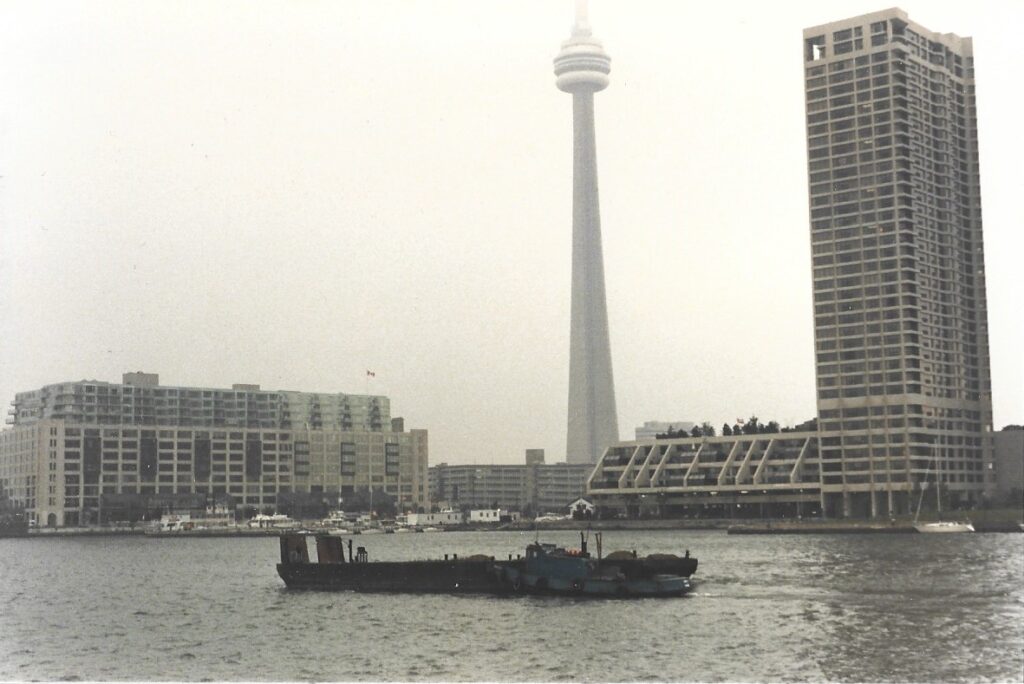
Many large cities are built on waterfronts because historically they provided a major trading route. If you are lucky enough to live near a city waterfront, you may find that it has been gentrified with upscale apartments, and trendy bars and cafés.
You can get your nature fix watching the harbour while sipping your java. This is a great way to reduce stress, while you take in the birds and marine life. Boat rides are usually on offer so you can enjoy time on the water.
Find Your Tribe
Another great way to enjoy nature in the city is to participate in activities with like-minded people. Community gardens are a double bonus, and you get to grow your own produce and exchange garden tips with fellow gardeners.
If you want to make a contribution to nature studies in the city, consider volunteering as a citizen scientist. Your alert might stop the spread of some invasive insect or plant.
Final Thoughts
From the list already provided you can see that once you start looking there are so many ways to connect with nature in the city. Remember to take regular nature breaks every day for physical and mental health, increased productivity and lower levels of stress.
The science is catching up with what we already knew: connecting with nature is good for you, even if it is looking out at nature from a window, or with today’s technology, taking in virtual nature.

